
By Corona Law Firm
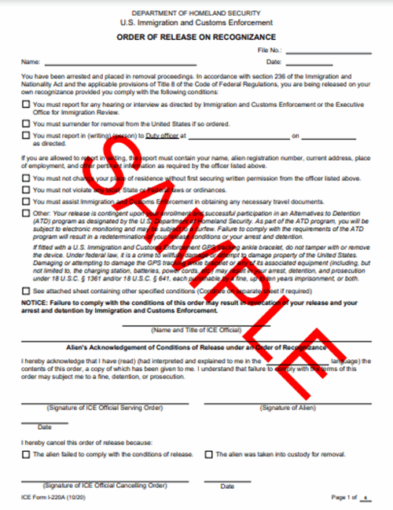
Immigration judges in Orlando, New Orleans, and San Antonio have all ruled in favor of Cubans who were given an I-220A, treating it as valid parole under the Cuban Adjustment Act. The most recent case made headlines in May 2026, when an Orlando judge granted a permanent residency for a Cuban National in Orlando. But there’s an important catch: the federal government has appealed every one of these rulings, so no one has actually received a green card yet.
The argument in this case was built on the government’s own admission, from the Eleventh Circuit’s Mark Prada case, that releasing I-220A holders this way was a mistake because they were detained under Section 1225, therefore, the only lawful release mechanism was parole under 212(d)(5). The judge agreed, but was careful to clarify he wasn’t granting parole (that’s outside a judge’s authority). The judge recognized that the client had already been paroled from the start and met the residency requirements.
Similar rulings have come out of New Orleans and San Antonio. In every case, the government appealed immediately, leaving the decisions suspended. Which means none of those Cuban Nationals have actually become residents yet. The outcome now rests with the Board of Immigration Appeals, which has no deadline to rule.
There’s a possible upside: every appeal pushes more cases toward the BIA, increasing pressure for it to finally settle the question. That pressure is compounded by the Eleventh Circuit, which in February 2026 vacated BIA decisions denying I-220A holders adjustment eligibility, ordering further review without resolving the issue outright.
If you hold I-220A status, there may be a real legal path forward, but success depends heavily on your specific facts, jurisdiction, and judge and even a win doesn’t guarantee immediate relief. Corona Law Firm can review your case, explain the real risks, and help you decide the right time and approach to file.
Contact us today for a consultation.
This article is for informational purposes only and does not constitute legal advice. Every immigration case is different — consult an immigration attorney about your specific situation.